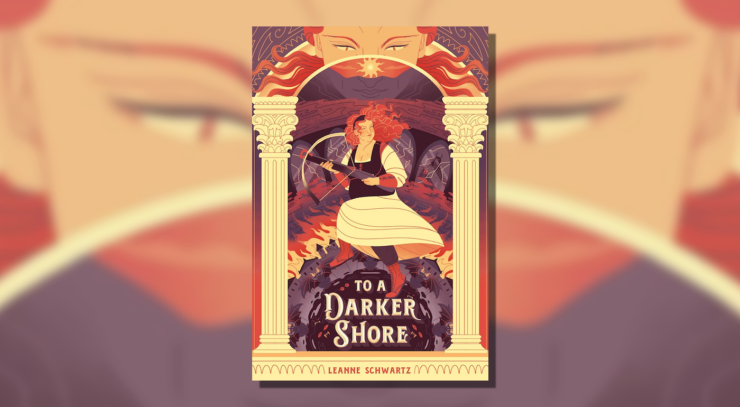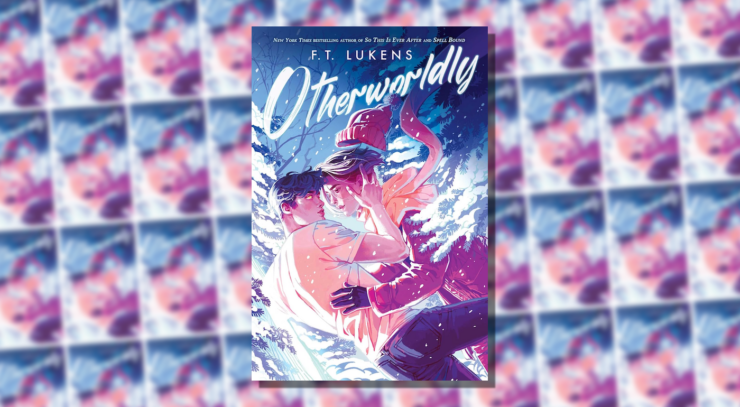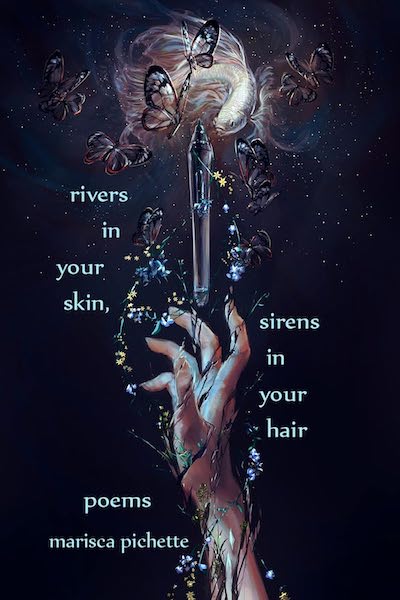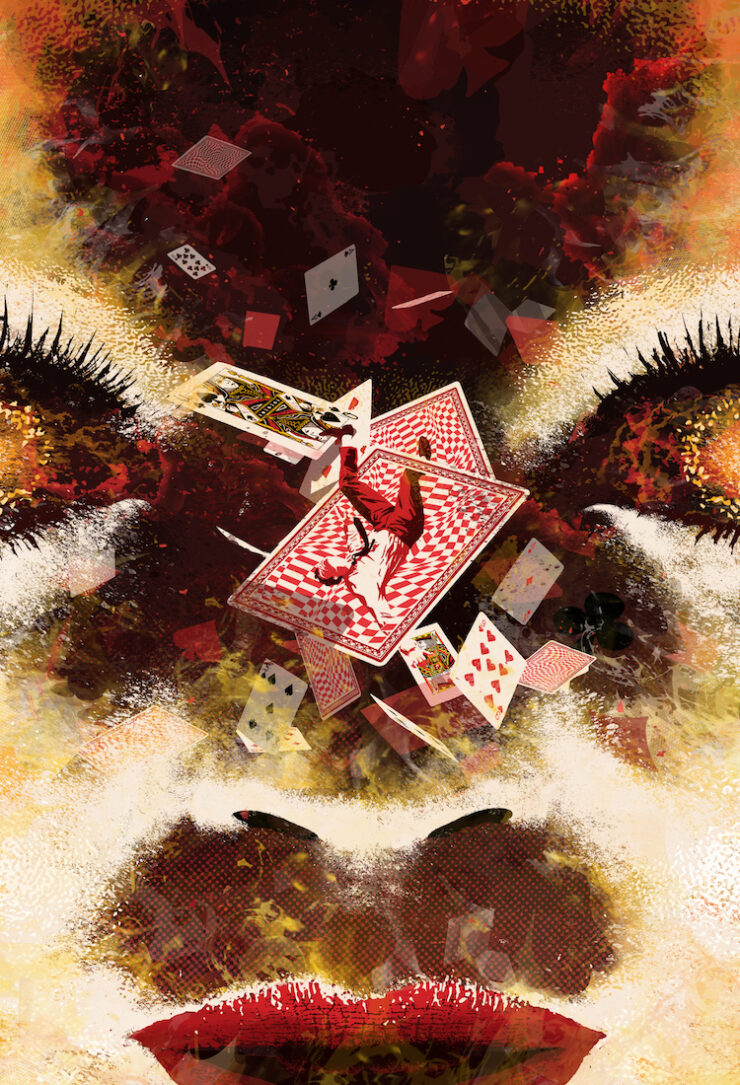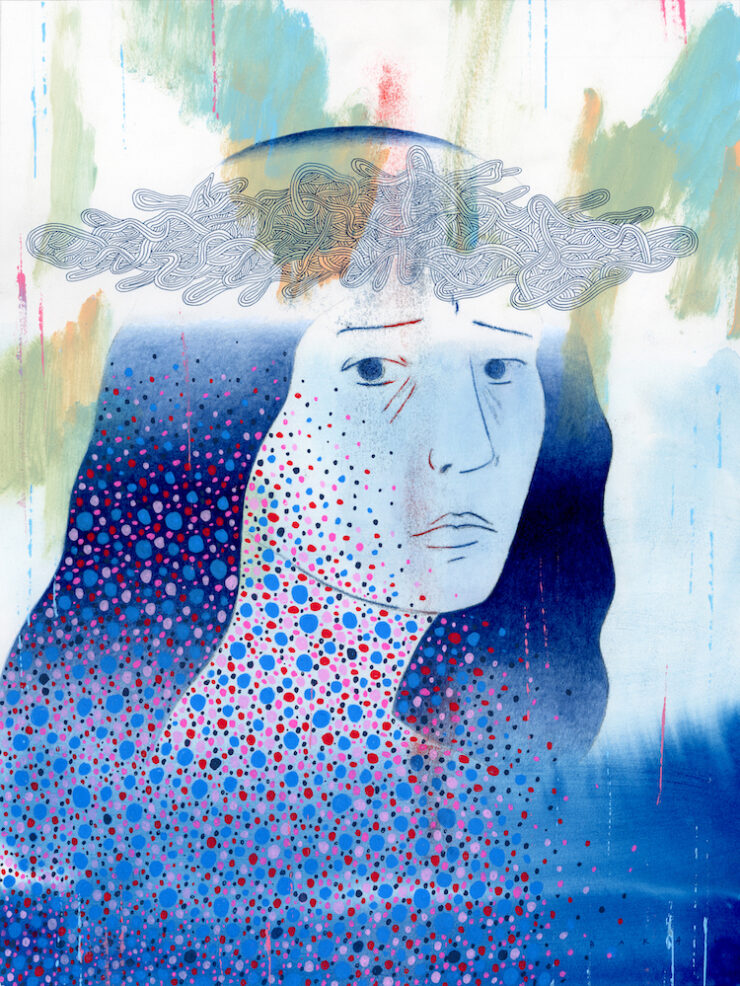












I got batch of cover designs in today and immediately regretted that the one I liked the best, visually speaking, would never fly for the cover. In this case, with good reason—it looks great but isn’t quite suited for the audience. Luckily, there are others in the batch that also also very good and more appropriate for the book.
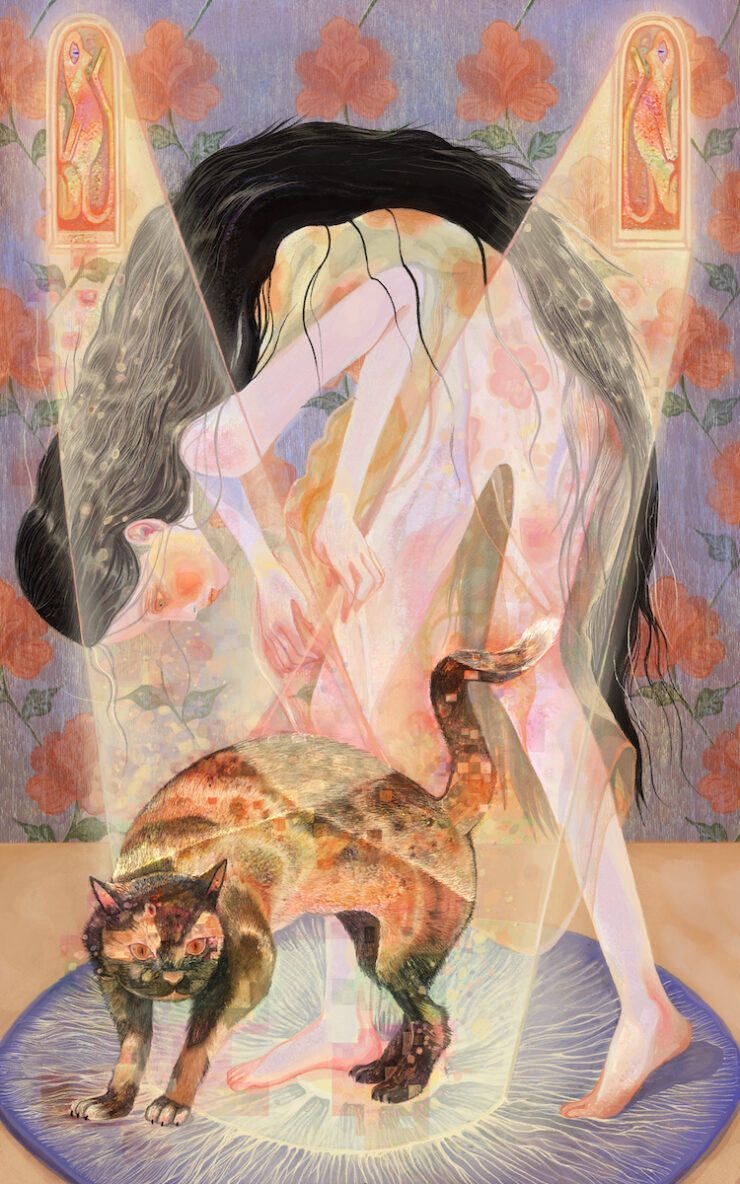
Also today, I got sketches in for another book. Here we are clearly making the less interesting choice because it more closely resembles familiar territory. The artist is no dummy and will likely reuse the pose on someone else’s very successful book cover. (And I will be jealous!)
This happens a lot in the job. Many times I agree with the final outcome, in some cases I don’t. Below are two older examples of each.

The Mystery of Grace
Illustrator John Jude Palencar and designer Peter Lutjen have been the dynamic duo behind many many Charles de Lint covers. It’s amazing how well their sensibilities work together, even more so when you consider that Charles, Peter, and John have never met.
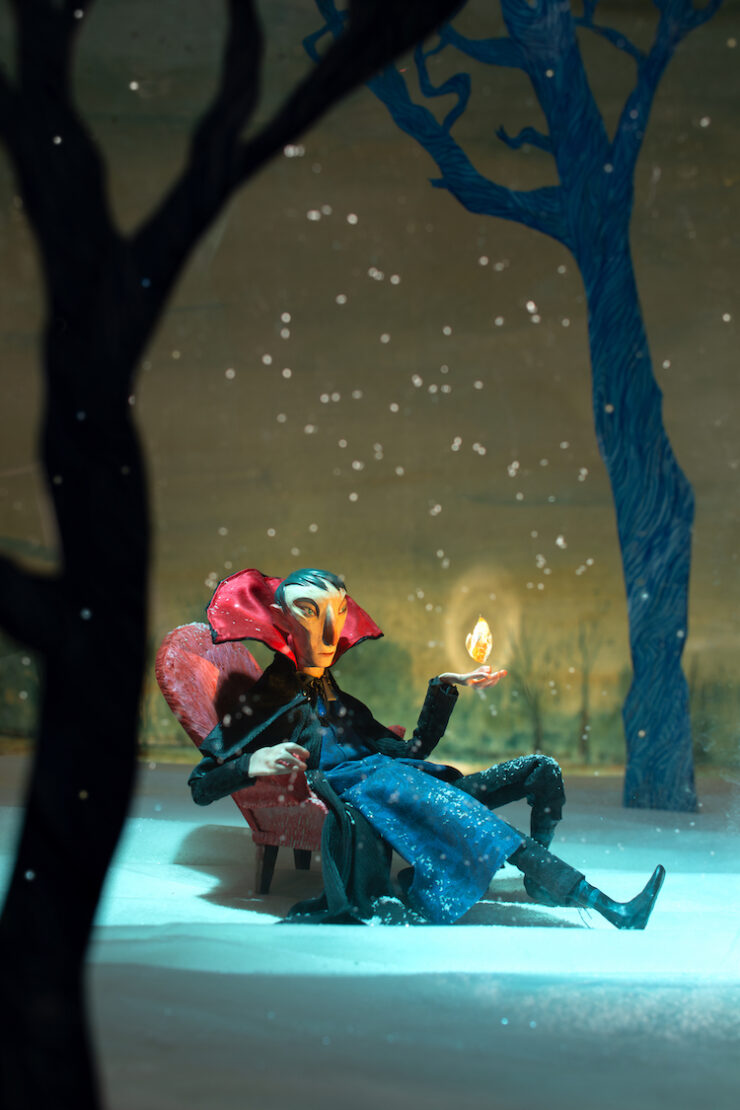
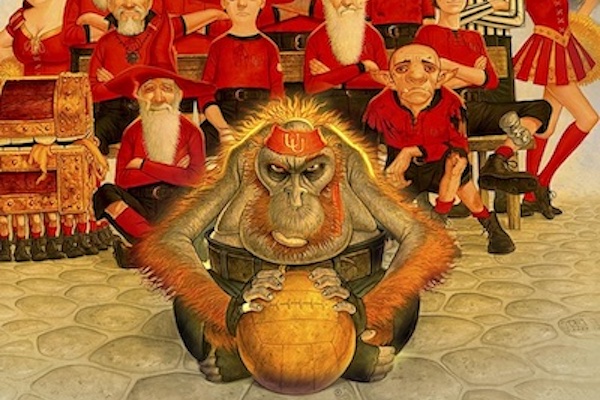
When Mystery of Grace came up, we knew a general outline of the story. John Jude sent in a series of sketches and I was blinded by how much I loved this puppeteer drawing. It makes for a great painting, and even a great cover, but when the author and editor brought up the fact that it was much too dark for the book, it was hard to fight it. It certainly is macabre. This is not the artist’s fault. If I had been thinking more clearly, I would have asked for other sketches. In this case we got as far as printing Advance Reading Copies with the puppet cover before we were able to about-face and start over. (I’m told you can find those advance reading copies on eBay every now and then.)
Since we do have such a long and wonderful history of Palencar covers on de Lint books, there was never a question of what to do—I went back to John, described the book more fully, and gave him a clearer understanding of how we wanted to position it. It was a whole second commission for him—a pricey mistake on my part but, thankfully, not one that I make too often. In the end, the second cover is just as lovely in a different way.

Blood Groove
In this case, it was tough to get the marketing tone right. The initial copy and the title made it sound a bit campy and hipstery. When talking to the editor, the book sounded much more grisly than that, and it sounded much more gritty than the current slew of hot Twilight-y vampires. Designer Jamie Stafford-Hill went to town on the idea of a truly horrific, old school vampire. What you can’t see here is, he even requested a slightly textured varnish to make the cover just a tiny bit pebbly your hand. We did an advance run on the jackets and they looked great. Really great. In the end, though, Sales and Marketing felt that we should try to hit larger audience and go with a “movie poster” style cover. Selling more books is good for everybody—from the author, to the bookstore clerks, to the truck drivers moving inventory around—so it’s difficult to say that going more commercial is a bad thing. But truth be told, this was example where I wish we could have stuck with something that was a bit more unique and engaging. While I certainly like the re-do (quite a bit actually) I’ll always wonder which cover really would have performed better.
Irene Gallo is the art director for Tor, Forge, and Starcape books and Tor.com.
VIEW ALL BY · Tuesday November 24, 2009 02:08pm EST
VIEW ALL BY · Tuesday November 24, 2009 03:28pm EST
The second cover for Mystery of Grace looks much more like a de Lint cover, which means I'd be more likely to pick it up. (I'd pick up either cover if I noticed the author was de Lint, but the second cover gives me a clue before I get close enough to read the name.)
I wouldn't pick up the second book with either cover, but part of that's the title--it sounds far too gory for my tastes.
Tuesday November 24, 2009 03:33pm EST
The first for Blood Grove is certainly more eye-catching. The second seems a lot like a hundred other covers I've seen somehow.
What's the likelihood of a previous contender coming forward again when the book goes to paperback or a second edition?
Tuesday November 24, 2009 04:00pm EST
VIEW ALL BY · Tuesday November 24, 2009 04:47pm EST
VIEW ALL BY · Tuesday November 24, 2009 07:42pm EST
Given the limitations are so much more strict, I would love to hear about how (and if) you navigate the fine line between striking and stupid, unique and illegible, cohesive and camouflage when dealing with spines!
VIEW ALL BY · Tuesday November 24, 2009 08:33pm EST
Similarly: every once in a while an artist will hand in two or three sketches for one project and we are able to use them for projects further on. Usually when it's in the same series, but sometimes it's just a composition too good to let go.
Fred @4 - Thank you, sir!
Patrick @6 - Spines really are important. It's tough, since there isn't always a lot of space to play with, but we try to give it a lot of thought. I wrote a post on it on my own blog. Maybe it's time I update that and post it here.
Tuesday November 24, 2009 10:19pm EST
They make an interesting pair. If only the skeletal puppets you found in ancient Hellish underworlds had more of a sixties horror-glam feel to them.
VIEW ALL BY · Wednesday November 25, 2009 08:35am EST
VIEW ALL BY · Wednesday November 25, 2009 10:33am EST
Wednesday November 25, 2009 12:18pm EST
VIEW ALL BY · Wednesday November 25, 2009 12:49pm EST
VIEW ALL BY · Wednesday November 25, 2009 03:09pm EST
Thursday November 26, 2009 04:12pm EST
Just seems like spine format and fonts are ignored. Also hate when art ends at spine but folding is off so spine looks awful. I will return books that have misfolded covers.
If author has different series or different genre don't mind changes.