
































What is steampunk?
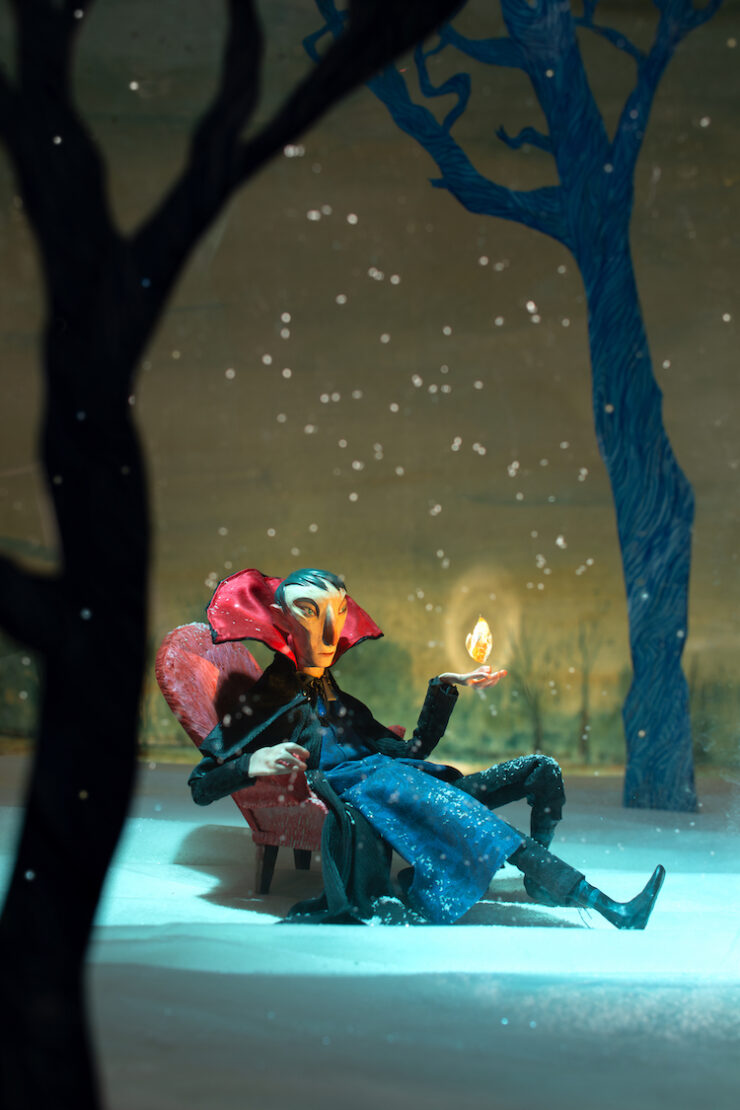
In three short words, steampunk is Victorian science fiction. Here “Victorian” is not meant to indicate a specific culture, but rather references a time period and an aesthetic: the industrialized 19th century. Historically, this period saw the development of many key aspects of the modern world (mechanized manufacturing, extensive urbanization, telecommunications, office life and mass-transit), and steampunk uses this existing technology and structure to imagine an even more advanced 19th century, often complete with Victorian-inspired wonders like steam-powered aircraft and mechanical computers.

Image courtesy of Tyrus Flynn (www.tyrusflynn.com)
Where did steampunk come from?
In some sense, steampunk has existed since the 19th century. The Victorian period had its own science fiction, perhaps most famously embodied by the works of Jules Verne and H. G. Wells, and throughout the 20th century there have been later-day science fiction stories set in the Victorian period. However, the term “steampunk” was not coined until the late 1980s, when author K. W. Jeter used it humorously to describe a grouping of stories set in the Victorian period written during a time when near-future cyberpunk was the prevailing form of science fiction.

Where does the sci-fi come in?
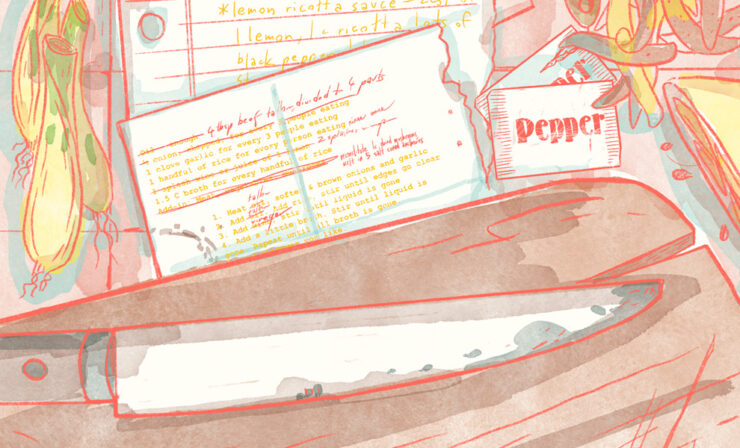
The line between steampunk and period Victorian is extremely narrow, and often the two are indistinguishable. They are separated only by steampunk’s status as science fiction, albeit heavily inspired by the historical fact of the Victorian period. This is generally accomplished in one of two ways. The “proto-steampunk” stories of the 19th century can be seen as a parallel to our own science fiction; that is, a view of the future from the present. For the Victorians, this meant imagining a future that looks dramatically un-modern to modern eyes. Submarines, space travel, aircraft and mechanized life were all imagined by the Victorians, but while some of these came very close to the mark they still differed from where the future actually went. For modern writers, with the benefit of modern science, steampunk becomes a re-imagining of the 19th century with a view of where science will one day go. In this way, steampunk often works to translate modern concepts such as the computer revolution, spy thrillers, noir mysteries and even the Internet into a Victorian context using Victorian technology. Steampunk becomes the perfect blending of alternate history and science fiction.

Image courtesy of Anna Fischer (www.flickr.com/photos/27594459@N04)
Where does the steam come in?
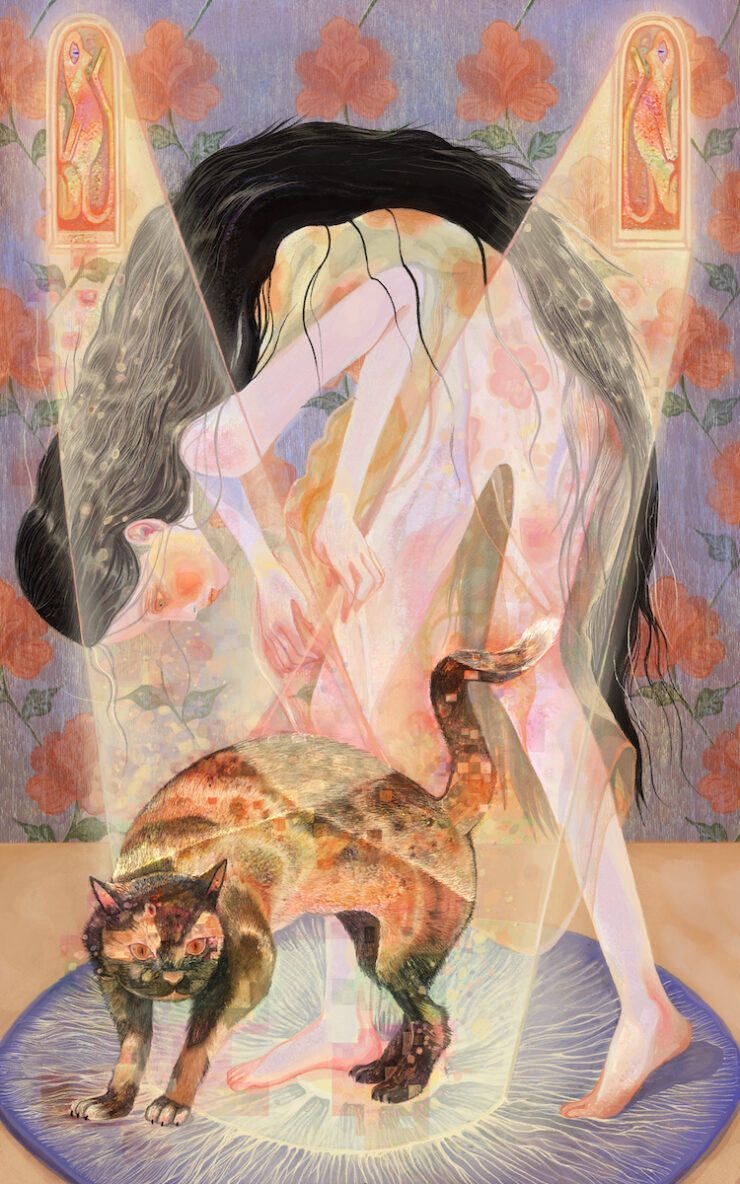
Steampunk’s steam references more than simply the technology itself, although steam engines are a vital aspect of life in a steampunk world. Steam more generally signifies a world in which steam technology is both dominant and prolific. During the Victorian era, steam power revolutionized almost every aspect of life. The steam engine made full-scale industrialization possible and produced mechanical power more efficiently and to greater degrees than human and animal labor could manage on their own. Mechanized manufacturing and farming caused an upheaval in the structure of working life, but they dramatically increased society’s productivity and freed up an entire section of society to form the modern class of professionals and office workers. The changes in society brought on by steam-driven industrialization allowed for the unprecedented developments in sciences, society and goods that came to be associated with the Victorian era. Steampunk takes inspiration from these changes and applies them to whatever culture it influences.

Image courtesy of Tarilyn Quinn (tarilynquinn.com)
Where does the punk come in?
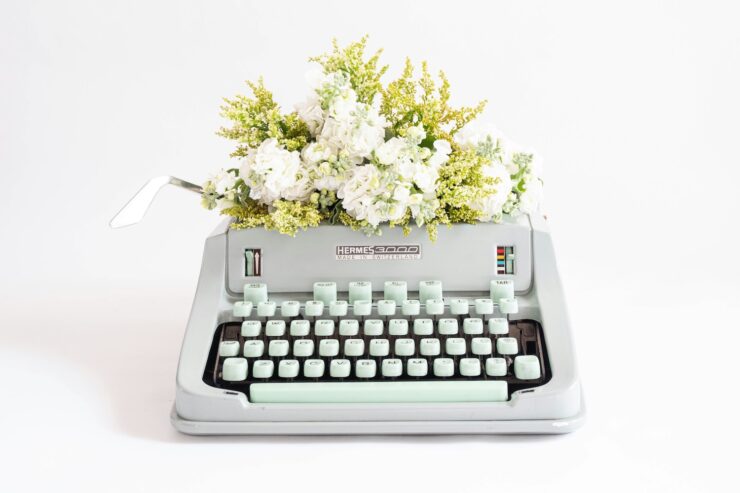
Ironically, it doesn’t. As was mentioned earlier, the term “steampunk” is a tongue in cheek reference to the cyberpunk genre rather than a reference to the punk subculture. Moreover, “punk” in the context of punk rock was the product of very specific circumstances following the Second World War, which makes it fundamentally distinct from the Victorian aesthetic that inspires steampunk. However, individuals interested in exploring a steampunk equivalent to 20th century punk can find a wealth of material in 19th century counterculture groups ranging from the Luddites to utopians to hooligans. Add a dash of Victorian street culture and a sprinkling of ragtime, and steampunk “punk” comes into focus.

Image courtesy of Tarilyn Quinn (tarilynquinn.com)
What about gears?
The gear is an easily recognized symbol of steampunk, but it is not unique to the genre. It was invented long before the 19th century and it remains in use today. The gear in steampunk joins related devices such as flywheels and pistons as the “power lines” of the steam age. Steam power is mechanical power and its transmission demands a network of moving parts in the same way that electrical power transmission demands wires. The gear on its own is not especially “steampunk” but when put to use in 19th century machinery it becomes a key icon of the genre.

Image courtesy of Tyrus Flynn (www.tyrusflynn.com)
What about goggles?
Goggles are often encountered in steampunk clothing and imagery, and this can create the misleading impression that they are somehow fundamental to the “steampunk look.” Certainly, goggles are associated with both science and mechanized travel, both of which are common themes in steampunk. However, this does not mean that everyone in a steampunk setting wears goggles; in fact, only people who have a reason to wear them do so, and then only while it is useful. As with scarves, driving coats, aprons and overalls, goggles are a piece of fashion that can help give life to a steampunk world when used properly and in moderation, but can rapidly border upon the ludicrous when turned into an end rather than a means.

Image courtesy of Nadya Lev (nadyalevphoto.com)
What is the appeal of steampunk?
A genre as large as steampunk has a wide-ranging appeal. Some people are drawn to it from a love of the Victorian period. Others enjoy steampunk’s unique approach to technology: re-imagining modern capabilities with 19th century machines. Many people are drawn to it in light of its fashion aspects, which allow them to sample and even combine a range of clothing styles and accessories from across the 19th century world. One critical aspect of steampunk is the tremendous diversity of appeal it presents, which allows it to offer something for just about everyone. Steampunk is also aided by a more general neo-vintage movement, which has been steadily progressing through mainstream fashion, film and aesthetics, but even this cannot wholly explain steampunk’s appeal. The genre possesses a life of its own that draws in fans from countless directions and backgrounds into a world where fashion is tailored to the individual, goods are made to last, and machinery is still regarded as a thing of visual majesty.

Image courtesy of Tyrus Flynn (www.tyrusflynn.com)
Steampunk sounds great! Where’s an easy place to start?
The basic rule of thumb for steampunk is “start period and then add.” One of steampunk’s great advantages is that the period it is inspired by, the Victorian era, saw the invention of photography and cinematic film. These in turn allowed for a visual record of people from all different classes, cultures and backgrounds, providing an unprecedented amount of reference material. People looking for fashion ideas, character inspirations or scenes to describe can find a wealth of starting points in the countless vintage photographs and film reels left over from the 19th century. All that remains is to add to or modify the depictions to taste, though it must be remembered that many aspects of a steampunk world and its people will likely remain virtually indistinguishable from the period that inspires them.

Image courtesy of Richard Nagy (www.datamancer.net)
G. D. Falksen is a writer and student of history who has given lectures on the steampunk genre and subculture. He has confessed a certain fondness for ragtime. Further details can be found on his website, www.gdfalksen.com
VIEW ALL BY · Wednesday October 07, 2009 05:36pm EDT
VIEW ALL BY · Wednesday October 07, 2009 05:43pm EDT
There's fans of steampunk fiction, which is basically an offshoot of the alternate-history genre. The historical aspect gets a lot more play than the aesthetics.
And then there's the steampunk cosplay folk, which seems to be an offshoot of the goth subculture. They don't seem to really care about the historical aspects, and just think the stuff looks cool.
Discuss.
VIEW ALL BY · Wednesday October 07, 2009 06:58pm EDT
Then in 2003 I started making music with a Steampunk theme. Shortly after I released my first album, the whole cos-play/goth crossover hit and I found my self both blessed and disenchanted with the whole thing. On the one hand there was now a whole audience for my work, and on the other... I found the whole subculture aspect very silly. There are many Steampunk fans that have similar stories, so I don't think it is as cut and dry as two distinct camps.
Wednesday October 07, 2009 09:58pm EDT
But I do think that there a lot of "hard" and "soft" interests that draw people into steampunk. There are steampunk participants who love the fashion aspect more than the literary aspect. (And let's not forget the existence of steampunk "political philosophy" too....)
VIEW ALL BY · Wednesday October 07, 2009 11:09pm EDT
(tip of the hat to someone Xeni Jardin retweeted)
Wednesday October 07, 2009 11:19pm EDT
Thursday October 08, 2009 12:23am EDT
Thursday October 08, 2009 12:28am EDT
There's also quite a lot of music cross-over. Since steampunk wasn't founded on a musical genre but on a literary one, there's a lot of room for freedom of expression, and several notable Goth or formerly Goth bands have migrated into the steampunk scene.
Thursday October 08, 2009 09:48am EDT
http://www.myspace.com/blamedfornothing
or
http://en.wikipedia.org/wiki/The_Men_That_Will_Not_Be_Blamed_For_Nothing
for a down at heel combination of victoriana and punk, with songs dealing with issues such as etiquette, sewers, bedlam, darwin, a victorian boasting song, ballooning to the moon, the british empire, and laudenum fuelled debauchery!
Thursday October 08, 2009 11:52am EDT
Golly, a band name which manages to combine both anti-Semitism and the fetishising of violence against women - it's got everything.
VIEW ALL BY · Thursday October 08, 2009 02:53pm EDT
VIEW ALL BY · Thursday October 08, 2009 05:21pm EDT
Thursday October 08, 2009 09:03pm EDT
Steampunk, isolated from its punk, becomes simply steam. While steam-era, victorian-era fiction can be delightful, there is a GREAT deal of room for authors in this genre to embrace punk themes!
It never ceases to sadden me when the punk is taken out of steampunk. It's true that steampunk as a genre title is a close contemporary of cyberpunk; both these are excellent examples of hypothetical worlds in which rigid structures and social devices are violated and trashed in a way that would make the punk generations proud.
Typical earmarks of cyberpunk literature include derelict situations in high contrast to expensive ones, defying the will of an esteemed megacorp/government, the "street finding it's own uses" for technology and all major advances, and the deviation of experts in their respective fields. These themes create a deliciously disgusting world in which cyberpunk thrives.
The steam era provides a wealth of the socio-political conundrums that provide authors with the opportunity to create deviants and their stories. Stories like Jay Lake's "The God Clown is Near" embrace the disgustingly real with the carnivalesque and criminal tones of punk literature, and uses a hypothetical steampunk world to create it.
Steampunk can be PUNK! And as someone who is in it for the punk, I can say it is one of the more inventive categories of Sci Fi I've encountered.
:)
Friday October 09, 2009 12:27am EDT
Friday October 09, 2009 04:59pm EDT
http://www.steampunkjennie.etsy.com
and on Deviant Art:
http://steampunkjennie.deviantart.com/
Saturday October 10, 2009 04:26pm EDT
@Al-X: That's a great definition.
I consider Steampunk to be a sort of natural evolution of the Goth culture. The original Gothic was a subset of the Romantic period that directly precede the Victorian era.
Saturday October 10, 2009 09:17pm EDT
I see a movie where steampunk characters, led by the spunky Dr. Crammtong, appear from elsewhen through time travel, in order to dismantle the current evil police state corptocracy. Their whacky devices are designed to put a fatal kink into the technology of the present (future-past?) day, and they are quite effective at such. Much whimsey abounds...
Oh, the popcorn tin simply quivers at the mere thought!
Saturday October 10, 2009 11:15pm EDT
Monday October 12, 2009 05:47pm EDT
I started into steampunk by reading various bits and pieces of steampunk literature and the like, and the fashion element kind of came naturally--not having all that much money to put towards fashion, I shopped at local thrift and surplus stores--and eventually ended up with what became my standard 'Jack the Ripper' daywear--a massive black wool overcoat (from 1921), jackboots, wool trousers (with button fly), and a tasteful/eye-burningly hideous vest (plus a shirt and etc)--the goggles were added on later. I've never really treated steampunk as cosplay, and try to keep my outfits mostly practical (if eccentric)--however, this commitment to wearing everything I buy (in public, standard settings) often finds me in almost full Martian Colonial Army kit (British army dress uniform plus extras, minus any sort of weaponry) when high fashion is the order of the day.
[8]-{D
VIEW ALL BY · Saturday October 17, 2009 04:14pm EDT
@VernianProcess: Absolutely, steampunk very much offers a blending of literature, art and fashion, all with a healthy does of historical inspiration.
@jskanderson: As LucyRobare very correctly points out, the Victorian period saw the beginning of the end for various conservative, racist and misogynistic views that had previously pervaded life. The period saw the establishment of a liberal middle class that paved the way for 20th century reform. The 19th century as a whole gave rise to national revolutions, and it saw the final eradication of slavery in the West (which was a major step forward when compared to earlier centuries).
@Thomas Kerkeslin: My thanks for the great compliment.
@Viraumus Sabena: I don't see steampunk as cosplay myself either. I see it as fashion inspired by an earlier time (one that has a visual aesthetic I prefer over our current trends). I feel that calling one's steampunk outfit "a costume" is somewhat defeatist.
Sunday October 18, 2009 01:48pm EDT
Thanks for an excellent overview of the genre. It's very gratifying to see steampunk and related genre's gaining some bigger interest this year (at last).
I wanted to alert you and your readership to an animated feature we're in the middle of production on—"War of the Worlds: Goliath". It's a sequel to the original H.G. Wells, classic novel, set fourteen years after the original, failed Martian invasion.
WOTWG features elements of "dieselpunk" and Pulp, but with it's roots in the Victorian era of the original novel, it should appeal to your readers and aficionados of the genre.
Here's some links to out footage and designs
Best,
Joe Pearson
http://www.metaltv.com/wotw/index.html
wotw-goliath.com/video_trailer.html
www.heavymetalmagazinefanpage.com/movieswaroftheworlds.html
Saturday November 07, 2009 10:01pm EST
http://www.polyvore.com/cgi/profile?id=651330
I looked up the term and found images that matched what's been in my head for years...gears, cogs, locks & keys, corsets & stockings, tophats, burlesque/vaudville, watches, trains, hot air balloons...
I didn't know I was Steampunk...but I have been scince high school...everyone just thought I was weird.
Tuesday November 10, 2009 11:11am EST
What I find interesting is that steampunk as a literary genre has been around at least 30 or 40 years, maybe longer, but its prominence among goths, cosplayers, artists and musicians seemed to come out of nowhere around 4 or 5 years ago. I think anime & manga played a big role here. The late 90s/early 00s saw a lot of steampunk in anime: Steam Detectives, Sakura Wars, Steamboy, and the earlier Castle in the Sky. My theory is that once Westerners actually had a visual shorthand for "steampunk", they were all over it. Thoughts?