


























Quantcast
Tor Forge

Science fiction. Fantasy. The universe. And related subjects.
RSS

Latest Posts

› archive

Latest Comments

› show all

Hot Bookmarks


Blog Archive


posted Tuesday November 03, 2009 01:48pm EST

Letters from Abroad: Sociology and History of Science

Keith McGowan

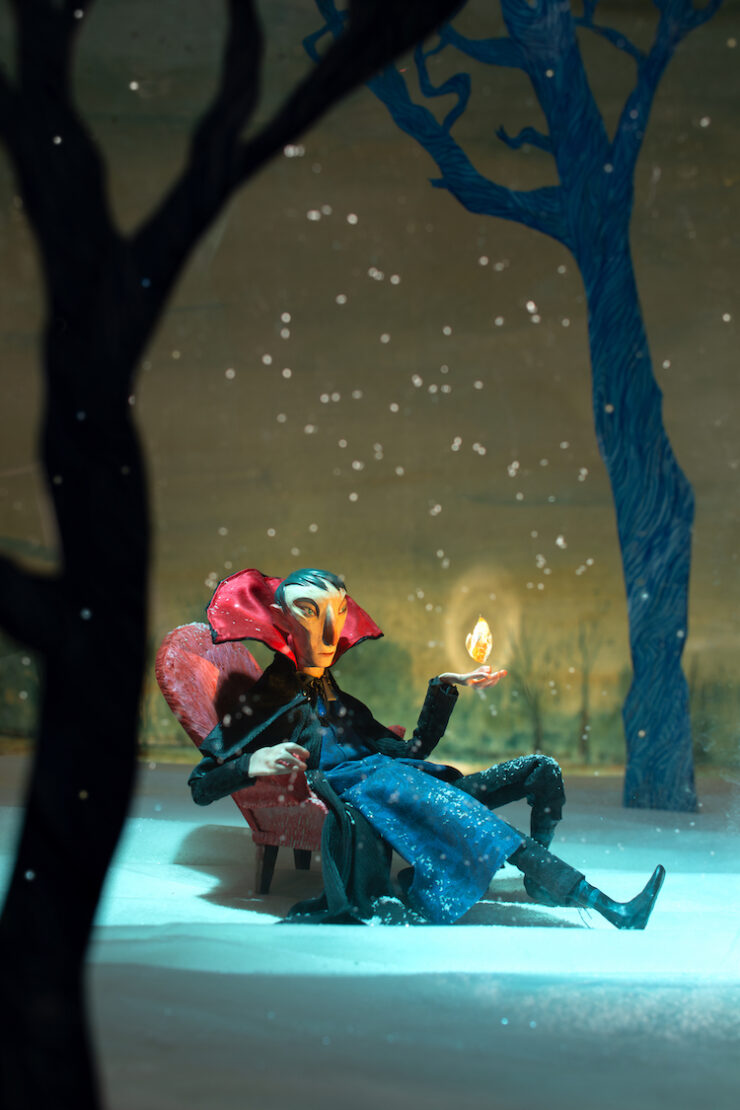
Witch of the Danube Canal(Letters from Abroad is back with the original photo, the Witch of the Danube Canal.)

Science fiction explores science’s relationship with humanity.

A book may follow a certain technology from its invention through its inclusion into society, typically with unexpected results. A special trait of an alien civilization may affect the way that civilization uses tech. Books like His Master’s Voice by Lem stay with the scientists themselves, their disputes, the limit of the scientific method. Rivalries between scientists, the misuse of technology and science (see: Atom Bomb), these are all the obsessions of certain science fiction.

They are also the obsessions of another group of people, those involved in Science and Technology Studies (STS), and, more broadly, the sociology and history of science. These people are either scientists who focus on the human aspect of their fields, or sociologists and historians with a strong interest in scientific issues.

They explore, in the real world through careful study, what science fiction authors explore through fiction/art. I think many of their themes are the same, and I imagine there are quite a few ideas for science fiction stories to be culled from their research.

Next time on Letters from Abroad I will bring you a two-part interview with Kelly Joyce, currently a program director at the National Science Foundation, who is normally an associate professor of sociology who studies technology, medicine, and science at The College of William & Mary. (Added: Part 1 of the interview, on MRI, diagnostic dogs, House, etc is up here.)

Meanwhile, I give you two articles as random samples of the myriad things STS involves. These are long articles, probably it’s easier to print them out.

First, a biologist in the Dept of Molecular Biology, Cell Biology, and Biochemistry at Brown U.—Anne Fausto-Sterling—writes about moving past arguments of nature vs. nurture, using the case of bone density and bone fractures as an example for her argument. It’s dense at start; you may want to skip after the first couple of pages to page 1499.

Next, E.J. Woodhouse at Rensselaer Polytechnic Inst. compares nanoscience and technology R&D to green chemistry R&D.

Am I the only one who reads this kind of stuff as a layperson?


Keith McGowan is the debut author of The Witch’s Guide to Cooking with Children, which was named an “inspired recommendation for children” by independent bookstores nationwide. He is published by Christy Ottaviano Books, Henry Holt & Company.

ReddIt Stumble Upon del.icio.us Digg It Send via Mail
BOOKMARK
PRINT

categories: Science
tags: Sociology of Science, Science and Technology Studies, nature vs nurture, nanoscience, green chemistry

3 comments
Ken Walton
1.  carandol
VIEW ALL BY · Tuesday November 03, 2009 05:21pm EST
Am I the only one who reads this kind of stuff as a layperson?

No! I went to university a couple of years ago, at the tender age of 44, to do a history degree, just for fun. In my first term I stumbled upon STS as an optional topic, and ended up with a degree in the History, Philosophy and Sociology of Science. Fascinating stuff, thanks for the links!
Josh Kidd
2.  joshkidd
VIEW ALL BY · Tuesday November 03, 2009 06:49pm EST
I'm very much interested in these kinds of things. I took a History and Sociology of Science class as an undergrad called "Science and Literature" which dealt primarily with science fiction. It was a great class.

I would be curious to know if you know of any good resources for those who might want to follow the field casually.
OtterB
3.  OtterB
Wednesday November 04, 2009 01:11pm EST
I read these kind of things too, although I'm not sure I count as a layperson since part of my job involves programs encouraging members of underrepresented groups to go to graduate school in science, technology, engineering, and math, and so I read some STS stuff in the line of business. I concluded some years ago that much as I enjoyed my college co-op at NASA, I didn't really want to be a hard-science researcher. I just wanted to hang out around them. I'm a research groupie. ;-) Thanks for the links, looking forward to reading the nanotech / green chemistry one.
POST A COMMENT Name: Email Address: Comment (bbCode allowed):