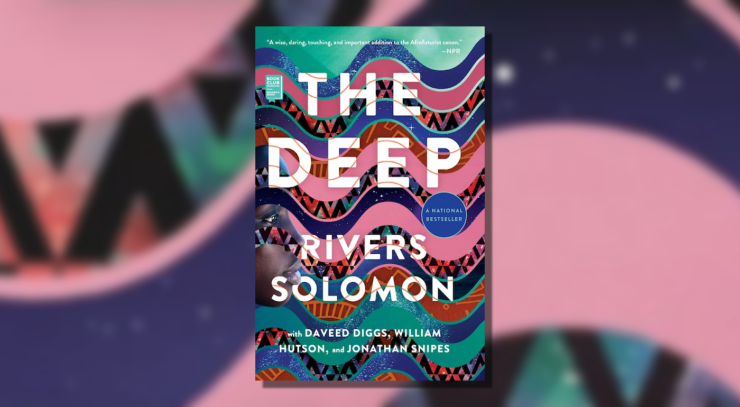
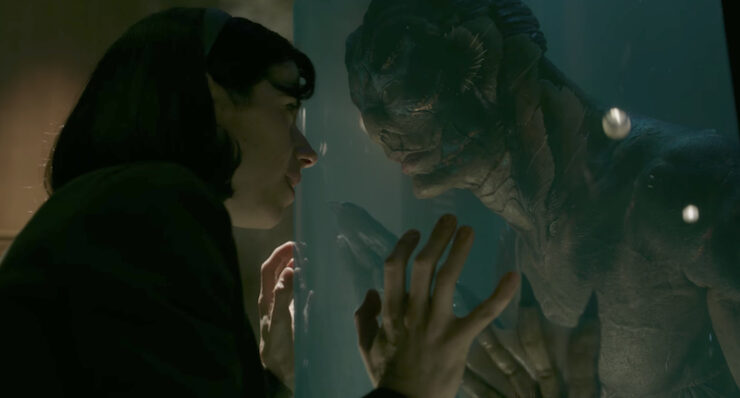
Home / mermaids mermaids Blog SFF Bestiary A Plethora of Mermaids: The Mermaid (2021) By Judith Tarr December 11, 2023 Comment number: 0 Column SFF Bestiary Mermaids in the Desert: Kim Antieau’s Church of the Old Mermaids By Judith Tarr December 4, 2023 Comment number: 0 Column SFF Bestiary The Mermaid in the Tower: Aquamarine By Judith Tarr November 27, 2023 Comment number: 0 Column SFF Bestiary The Little Merman: F.T. Lukens’ In Deeper Waters By Judith Tarr November 20, 2023 Comment number: 0 Blog SFF Bestiary Yemoja’s Child: Natasha Bowen’s Skin of the Sea By Judith Tarr November 13, 2023 Comment number: 0 Column SFF Bestiary Taking the Mermaid Tale Above and Beyond: Rivers Solomon’s The Deep By Judith Tarr November 6, 2023 Comment number: 0 Column SFF Bestiary It’s No Fun To Be Alone: Communicating With Cryptids in The Shape of Water By Judith Tarr October 30, 2023 Comment number: 0 Blog SFF Bestiary I Dream the Curse and the Curse Dreams Me: Monique Roffey’s The Mermaid of Black Conch By Judith Tarr October 23, 2023 Comment number: 0 Column SFF Bestiary Mermaids of the Caribbean: Lisbon Okafor’s Ten-Cent Daisy By Judith Tarr October 16, 2023 Comment number: 0 Column SFF Bestiary Just a Frothy Little Bubble: Splash Tackles the Mermaid Genre By Judith Tarr October 10, 2023 Comment number: 0 Column SFF Bestiary Mortal and Immortal (Mer)Folk: Poul Anderson’s The Merman’s Children By Judith Tarr October 2, 2023 Comment number: 5 Column SFF Bestiary Two Versions of a Classic Fairy Tale: Disneyfying The Little Mermaid By Judith Tarr September 25, 2023 Comment number: 4 1 2 3 4