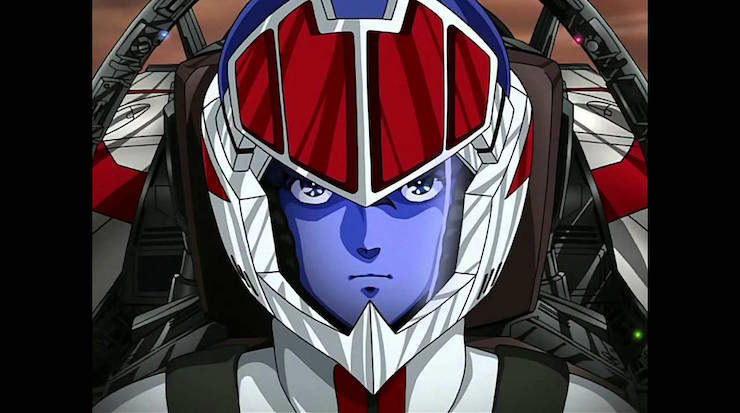
March 2012 has been a tragic month for science fictions fans. First we saw the passing of Star Wars artist Ralph McQuarrie, followed closely by the passing of French comic book and SF movie visionary Jean ‘Moebius‘ Giraud. And as if both were not painful enough, last week saw news that anime legend Noboru Ishiguro had also died at the age of 74.
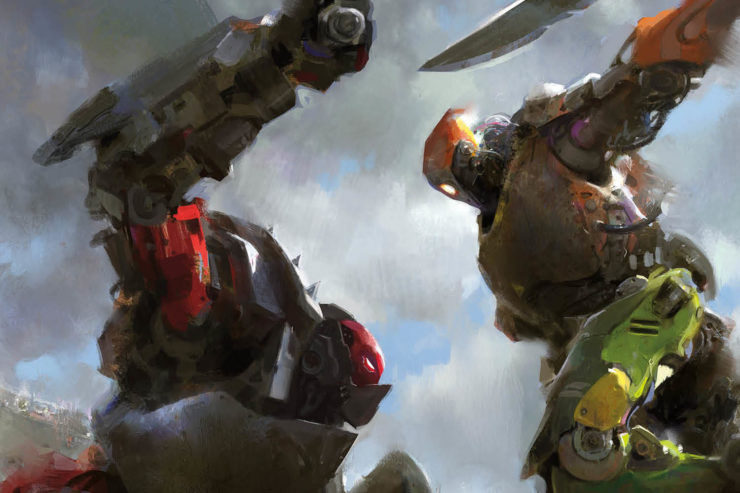
Ishiguro may not sound familiar to US science fiction fans, but like Moebius he’s another figure whose influence extends further than his name. There are few people in anime history — especially within science fiction anime — who worked on so many landmark series and franchises. And he started early too — in 1963, while still a student, he got his first work as an animator on Tetsujin 28-go, arguably the first giant robot anime series. A massive hit in Japan, it is the story of Shotaro, a young boy who takes control of the eponymous robot built by his late father to fight crime and invading enemy robots. A year after Ishiguro joined the already long-running production, Tetsujin 28-go was one of the first anime series to receive a U.S. translation and TV broadcast in the form of Gigantor, fueling an early interest amongst American SF fans in Japanese animation.


A couple of weeks ago I was lucky enough to be invited to a swanky location in London’s glamorous west end for anime distributor Manga UK’s 20th birthday party. Now for those of you outside the UK Manga may not be a familiar company, but on this side of the Atlantic it is a name synonymous with anime (and yes ’manga’ being associated with ’anime’ has caused decades of confusion). Originally founded in 1991 to distribute the movie Akira, it went on to not just release hundreds of titles theatrically and on VHS and DVD, but also to produce a legion of infamous dubs and even contribute financial backing to productions like Ghost in the Shell.